
We have earned a 2026 Silver Seal of Transparency from Candid, the nonprofit database funders and donors use to look up charities.
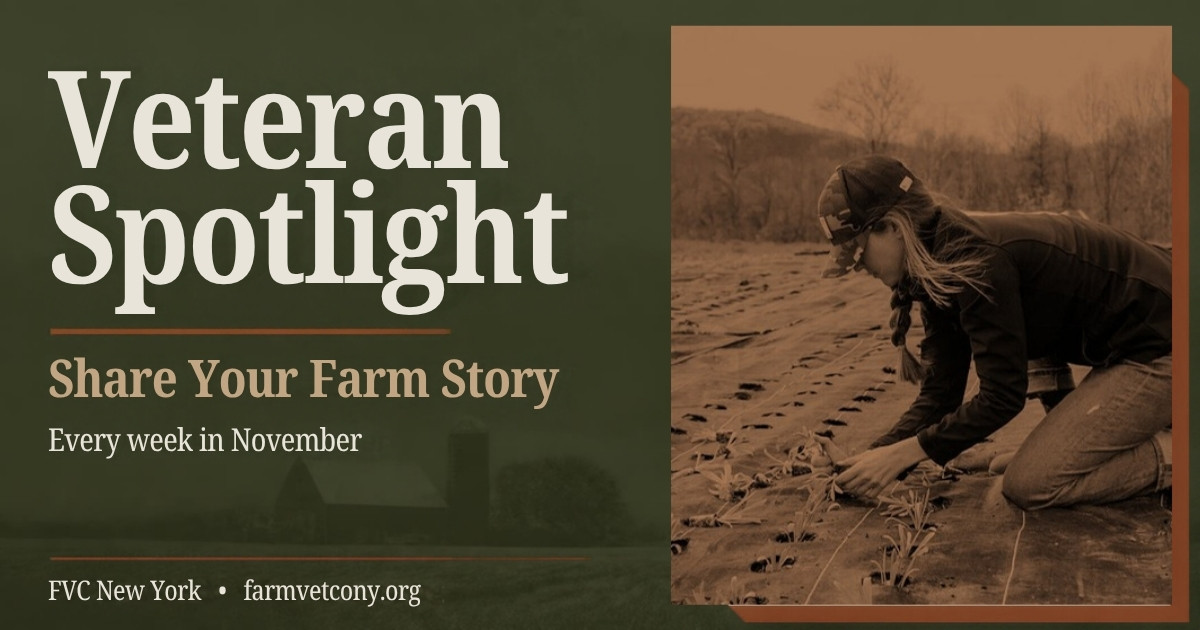
Throughout November, FVC NY will feature a different New York farmer veteran each week on Facebook. Here is how to sign up or nominate someone.
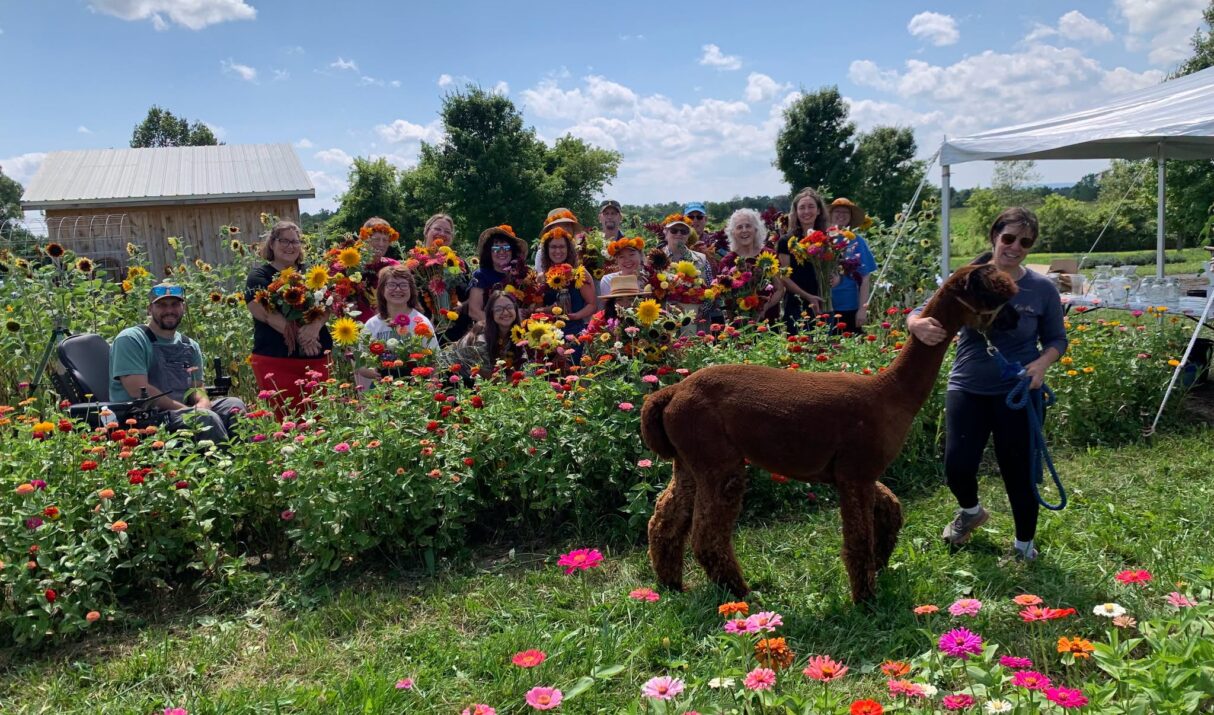
Air Force veteran Kiersten Downs welcomed family caregivers to Elle Pea Acres for a flower u-pick and bouquet retreat, sponsored by Caregiver Action Network.
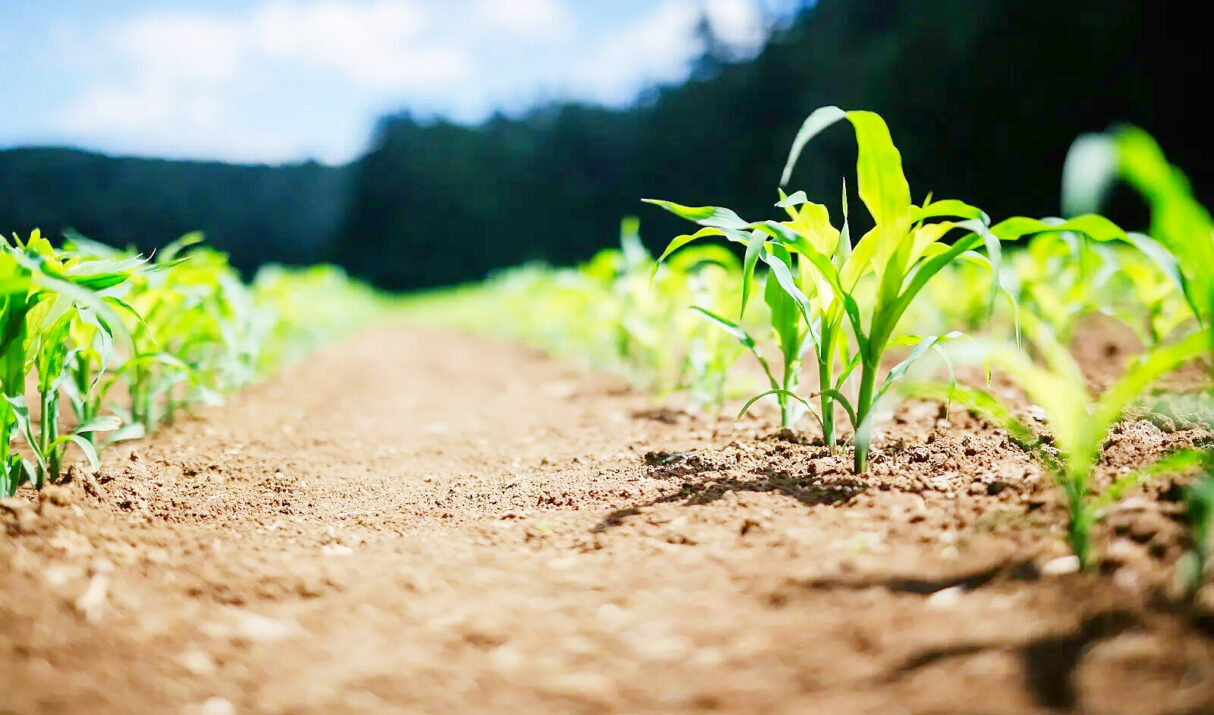
Small farms across New York are dealing with unpredictable weather and a tough market. Here is why buying local makes a real difference.
America 250 is the nationwide commemoration of the 250th anniversary of the United States, honoring our shared history and the people shaping our future. Farmer Veteran Coalition is proud to participate by spotlighting the service, leadership, and continued impact of veterans in agriculture through its America 250 Celebration Directory, an online showcase recognizing veteran members
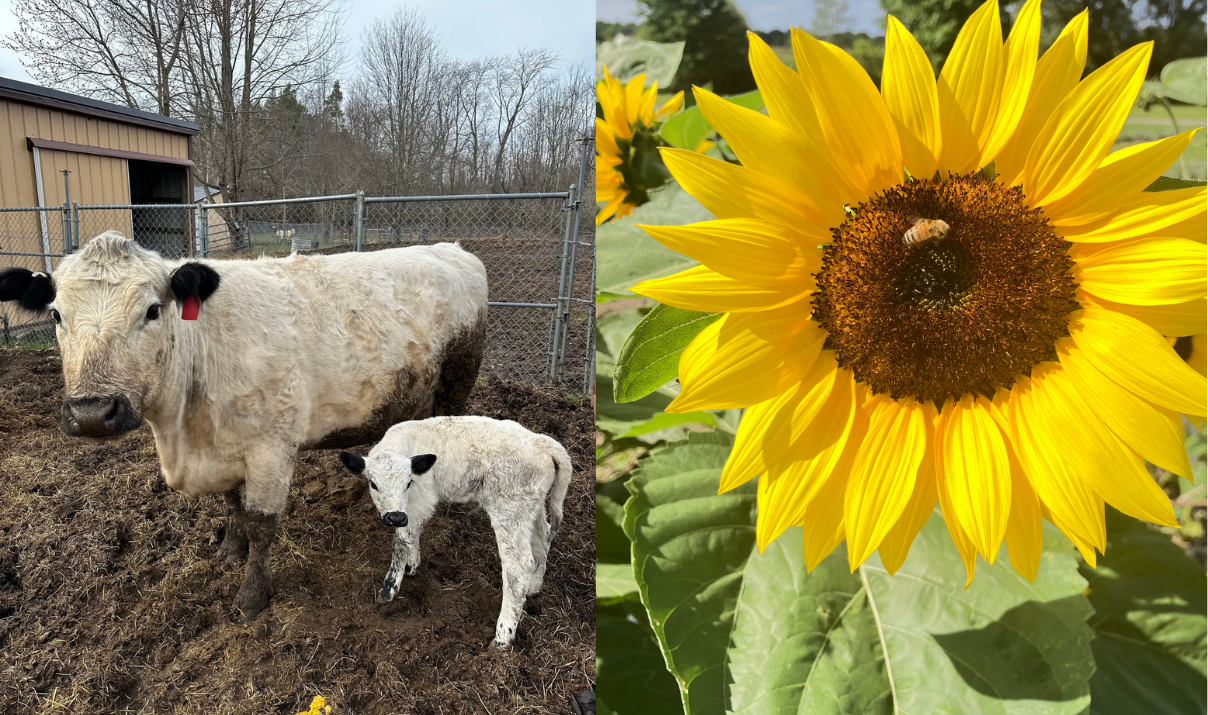
Congratulations to two New York farmer veterans named 2026 Farmer Veteran Fellowship Fund awardees by the national Farmer Veteran Coalition. Kiersten Downs, a U.S. Air Force veteran, runs Elle Pea Acres in Groton, NY, growing seasonal flowers and raising alpacas in the Finger Lakes. Donald Scott, a U.S. Army veteran, runs Crooked Creek Cattle Farm
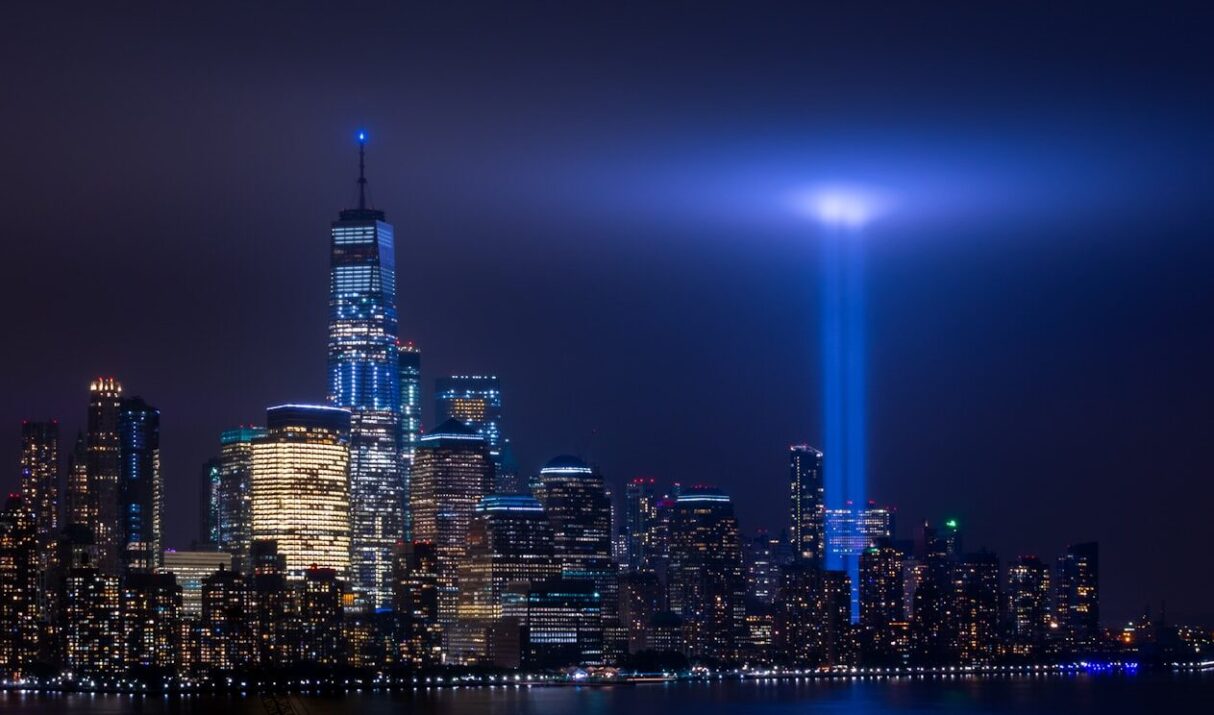
This month marks 25 years since September 11, 2001. For a lot of us in this chapter, it’s not just a date on the calendar. We’re New Yorkers. Some of us watched it happen. Some of us knew people who didn’t come home that day. That day didn’t only touch New York. The Pentagon was
Update, September 25, 2026: The first-round cutoff for FY2027 USDA conservation funding was September 18, 2026. You can still apply. USDA accepts applications year-round, and anything submitted now is held for the next ranking round. If you missed the first round, the best move is to get your paperwork in order now so your application
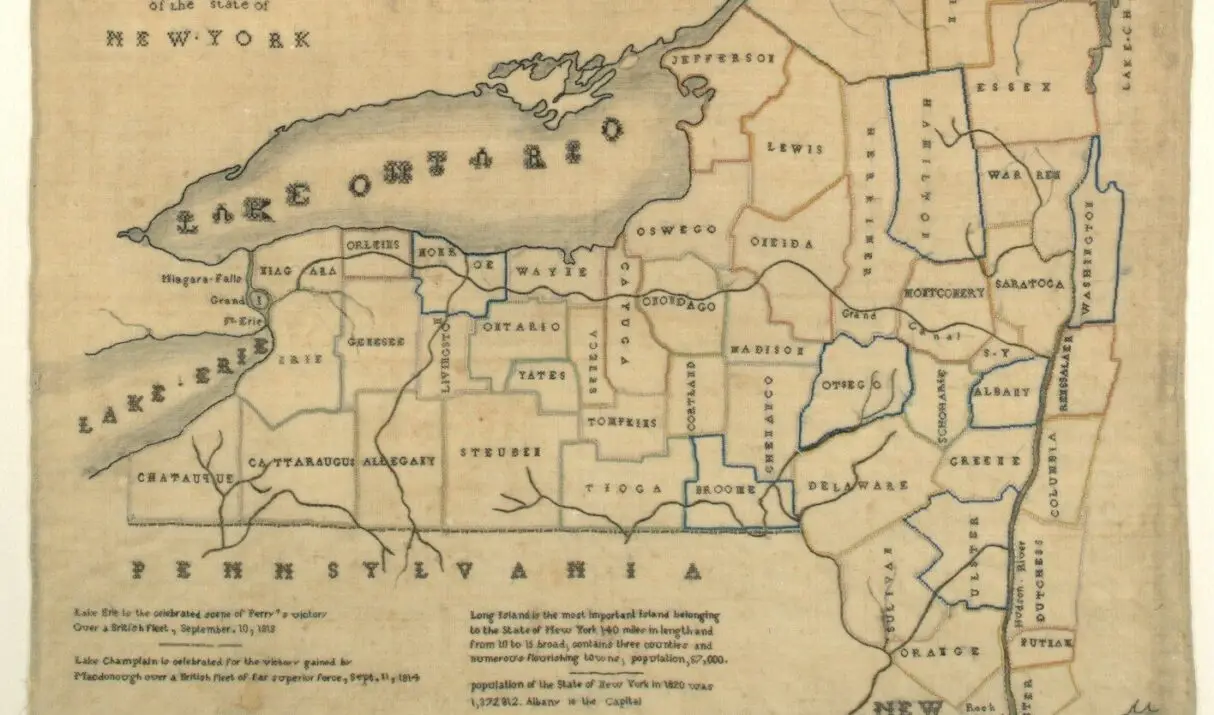
FVC NY is building out our outreach county by county across New York State, connecting veteran farmers to the local resources, regional contacts, and support networks closest to them, whether that’s a Cornell Cooperative Extension office, a USDA Farm Service Agency location, or a fellow veteran farmer nearby. This is all-volunteer work, and it’s growing